Kakanin Filipino Desserts: 5 Irresistible Treats to Savor
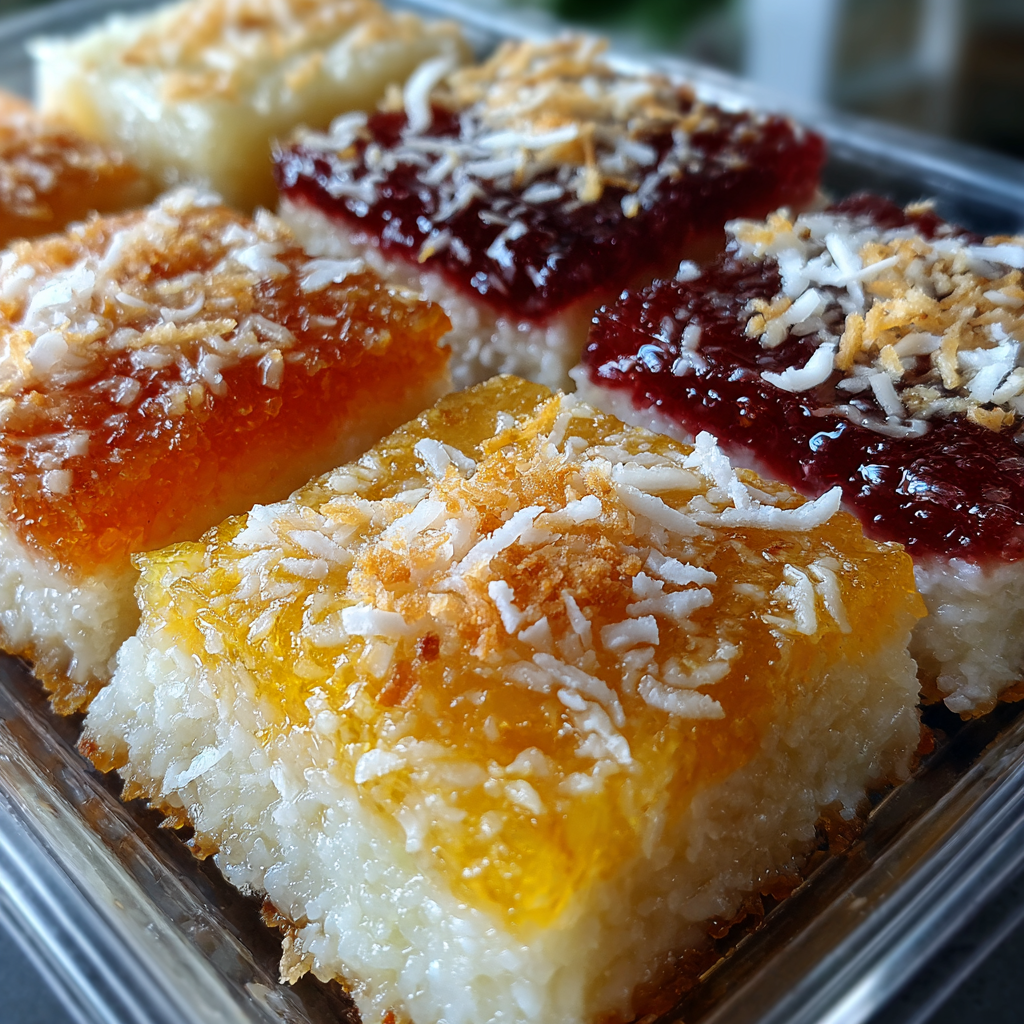
Kakanin Filipino desserts are a delightful way to indulge your sweet tooth while experiencing the rich culinary heritage of the Philippines. These treats, primarily made from glutinous rice and coconut, are not only incredibly delicious but also bring a taste of home for many Filipinos and food lovers alike. Have you ever craved something sweet yet satisfying that also connects you to a rich culture? Imagine the enticing aroma of coconut mingling with the subtle sweetness of rice, creating a sensory delight that is both comforting and nostalgic.
As you delve into the world of kakanin, you’ll discover a variety of textures and flavors that will enthrall your taste buds. The soft, chewy consistency of these desserts contrasts beautifully with the creamy coconut milk, creating a harmonious blend that is hard to resist. The vibrant colors, often enhanced by natural ingredients like pandan or purple yam, make these desserts not only a treat for the palate but also a feast for the eyes. Each bite offers a warm embrace, reminiscent of family gatherings and festive celebrations.
Moreover, kakanin is not just about the flavors; it also carries a significant cultural weight. These desserts are often served during special occasions, from birthdays to religious festivities, making them a staple in Filipino households. They evoke a sense of community and togetherness, as families gather to enjoy these traditional delicacies. So, whether you are looking to recreate a beloved childhood memory or simply explore Filipino cuisine, kakanin provides an authentic taste of the Philippines that you won’t want to miss.
Now, let’s explore the health benefits of the main ingredients used in kakanin, particularly glutinous rice and coconut. Firstly, glutinous rice is a good source of carbohydrates, providing energy to fuel your day. It contains essential nutrients such as B vitamins, which are crucial for energy metabolism and brain health. Additionally, the fiber found in glutinous rice aids in digestion, helping to keep your gut healthy.
On the other hand, coconut milk, a key ingredient in many kakanin recipes, is rich in healthy fats called medium-chain triglycerides (MCTs). These fats can boost metabolism and enhance weight management. Furthermore, coconut milk is a source of several important minerals, including manganese, which plays a role in bone health and metabolism. Along with this, the iron content in coconut milk supports the production of red blood cells and helps prevent anemia.
Moreover, the grated coconut often used in kakanin provides dietary fiber, which is essential for maintaining a healthy digestive system. It also contains antioxidants that can help combat oxidative stress in the body. Did you know that coconut also has antibacterial properties? This makes it a great addition to your diet for overall health benefits.
This specific recipe for Kakanin Filipino desserts stands out for its simplicity and authenticity. Many kakanin recipes can be labor-intensive, but this version is accessible for beginners while still delivering traditional flavors. Using glutinous rice flour instead of whole glutinous rice allows for a smoother texture and a quicker cooking time. This makes it ideal for weeknight meals or when you have unexpected guests.
What makes this kakanin recipe unique is its versatility. You can customize it with various fillings or toppings, such as sweetened mung beans or fresh fruits, allowing you to experiment while keeping the traditional essence intact. Families love making these desserts together, creating lasting memories in the kitchen. This recipe is perfect for any occasion, be it a holiday celebration or a simple family gathering.
In summary, preparing Kakanin Filipino desserts is a straightforward process that yields satisfying results. With a prep time of just 15 minutes and a cook time of 30 minutes, you can whip up a delightful batch in no time. This recipe serves about 8 people and is suitable for beginner cooks. It is perfect for weeknights, meal prep, or impressing your guests with a unique dessert option.
What is Kakanin Filipino Desserts
Kakanin refers to a variety of traditional Filipino rice cakes and desserts made primarily from rice flour and coconut. These desserts showcase the unique flavors and textures of Filipino cuisine, often incorporating ingredients such as sugar, salt, and different flavorings. Kakanin can be steamed, boiled, or baked, and they are typically served during special occasions or as a sweet snack throughout the day.
Why You Will Love This Recipe
- This kakanin recipe is quick and easy to make, perfect for busy weeknights.
- It offers a variety of textures and flavors, satisfying different palates.
- You can customize it with various fillings and toppings, making it versatile.
- The ingredients are mostly pantry staples, making it accessible for everyone.
- This recipe connects you to Filipino culture, bringing a taste of home to your kitchen.
Ingredients You Need
- 2 cups glutinous rice flour – Provides the chewy texture typical of kakanin.
- 1 cup coconut milk – Adds creaminess and richness to the dessert.
- 1 cup sugar – Sweetens the treats, balancing the flavors.
- 1/2 teaspoon salt – Enhances the sweetness and overall flavor profile.
- 1 cup water – Helps to achieve the right consistency for the dough.
- 1/2 cup grated coconut (fresh or desiccated) – Adds texture and a coconut flavor boost.
- 1 teaspoon pandan extract (optional) – Provides a unique aroma and green color.
- Banana leaves for wrapping (optional) – Imparts a subtle flavor and helps with steaming.
How to Make Kakanin Filipino Desserts Step by Step
- In a mixing bowl, combine the glutinous rice flour, sugar, and salt. Mix well.
- Add the coconut milk and water to the dry ingredients. Stir until you achieve a smooth batter.
- If using, add the pandan extract to the mixture for flavor and color. Mix well.
- Fold in the grated coconut to the batter until evenly distributed.
- Prepare your steamer by boiling water. If using banana leaves, line the steamer basket with them.
- Pour the batter into the prepared steamer basket, spreading it evenly.
- Cover with a cloth and steam for about 30 minutes or until fully cooked.
- Once cooked, remove from the steamer and let it cool before cutting.
Pro Tip: Sift the glutinous rice flour to avoid lumps for a smoother texture.
Pro Tip: Allowing the kakanin to cool helps in achieving a firmer texture for easier slicing.
Expert Tips for Best Results
- Use fresh coconut milk for a richer flavor; canned is fine but may lack depth.
- Experiment with different flavors by adding ingredients like ube (purple yam) or jackfruit.
- Ensure your steamer has enough water to prevent drying out during cooking.
- Adjust the sugar based on your taste preference; some enjoy a sweeter kakanin.
- Keep the steamer covered during cooking to ensure even steaming.
- Slice the kakanin while it’s still slightly warm for cleaner cuts.
Variations and Substitutions
- For a gluten-free option, substitute glutinous rice flour with sweet rice flour.
- Add sweetened red beans or mung beans for a filling variation.
- Make a savory version by incorporating cheese or meat into the batter.
- Use different natural colorings like beet juice for vibrant hues.
How to Serve and Store
Serve kakanin warm or at room temperature, often enjoyed as a snack or dessert. Pair it with hot beverages like coffee or tea for a delightful experience. Store leftovers in an airtight container in the fridge, where they can last up to 3 days. If you want to freeze them, wrap tightly in plastic wrap; they can be frozen for up to a month. To reheat, simply steam or microwave until warmed through.
Frequently Asked Questions
Can I make kakanin without coconut milk?
Yes, you can substitute coconut milk with regular milk or almond milk for a different flavor.
How do I know when kakanin is cooked?
It’s cooked when a toothpick inserted in the center comes out clean, and the texture is firm.
What are the best toppings for kakanin?
Grated coconut, latik (coconut caramel), or fruits like mango are great toppings.
Can I use brown sugar instead of white sugar?
Yes, brown sugar will add a deeper flavor and a slight caramel note to the kakanin.
Is kakanin suitable for vegans?
The basic recipe is vegan-friendly, but check the other ingredients for any animal-derived products.
How can I make kakanin more festive?
Add vibrant colors using natural dyes, or incorporate seasonal fruits for flavor and decoration.
In conclusion, Kakanin Filipino desserts are a delicious way to connect with Filipino culture while enjoying the health benefits of its ingredients. With their unique textures and flavors, they make for a delightful treat that everyone can enjoy. Try this recipe today and leave a comment below!
Print
Kakanin Filipino Desserts: 5 Irresistible Treats to Savor
Description
A delightful selection of traditional Filipino kakanin, these desserts are made from rice and coconut, offering a sweet and savory taste that is loved by many.
Ingredients
- 2 cups glutinous rice flour
- 1 cup coconut milk
- 1 cup sugar
- 1/2 teaspoon salt
- 1 cup water
- 1/2 cup grated coconut (fresh or desiccated)
- 1 teaspoon pandan extract (optional)
- Banana leaves for wrapping (optional)
Instructions
- In a mixing bowl, combine glutinous rice flour, sugar, and salt.
- Add coconut milk, water, and pandan extract if using, then mix until smooth.
- Pour the mixture into a greased pan or individual molds. If using banana leaves, line the molds with them first.
- Steam the mixture for about 25-30 minutes or until it sets and a toothpick inserted comes out clean.
- Let it cool slightly before removing from the molds.
- Top with grated coconut before serving.
Notes
- Kakanin can be enjoyed warm or at room temperature.
- These desserts can be wrapped in banana leaves for an authentic presentation.
- Adjust the sweetness by adding more or less sugar according to your taste.
Nutrition
- Serving Size: 1 piece
- Calories: 150
- Sugar: 10
- Sodium: 50
- Fat: 5
- Saturated Fat: 4
- Unsaturated Fat: 1
- Trans Fat: 0
- Carbohydrates: 25
- Fiber: 1
- Protein: 2
- Cholesterol: 0
Keywords: kakanin, Filipino desserts, glutinous rice, coconut milk, traditional Filipino sweets